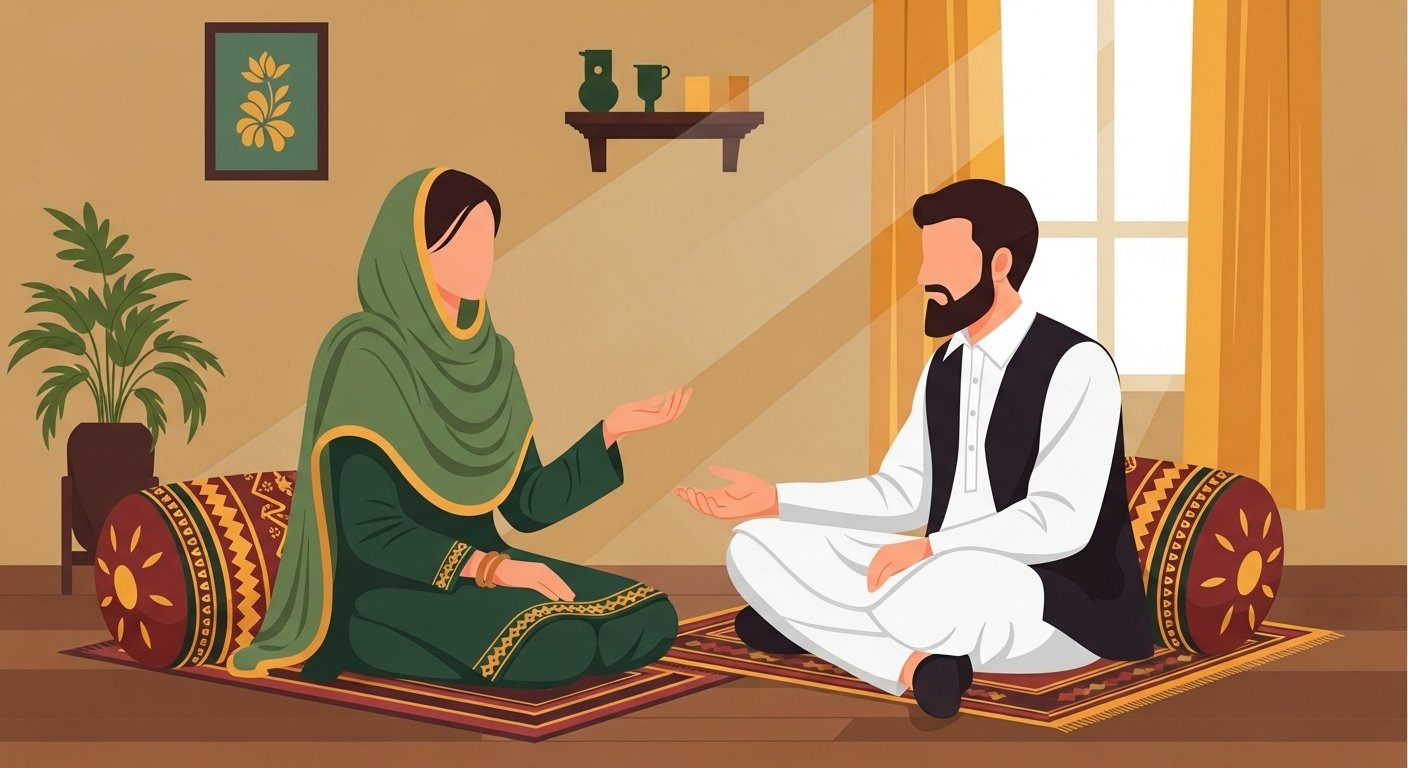
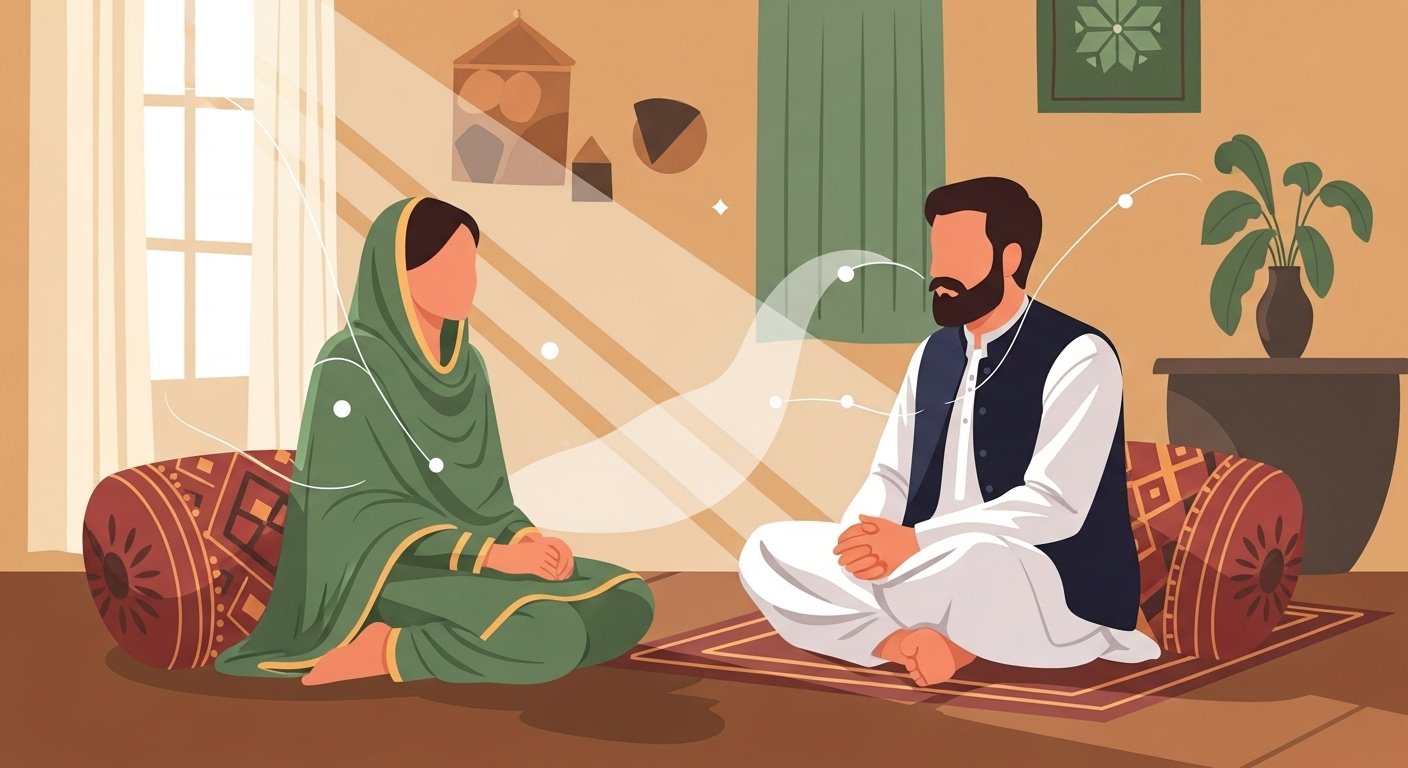
This page centres on women’s dignity, well-being, and everyday experiences within families and communities. It is intended to encourage thoughtful awareness and reflection — not to judge, accuse, or generalise.
Women’s lives are shaped not only by major decisions, but by daily words, attitudes, and behaviours that often go unnoticed. When awareness is approached with care and responsibility, it strengthens families, honours values, and supports healthier relationships rather than creating division.
While this initiative centres on women, it recognises that lasting positive change grows through shared responsibility within families and communities.
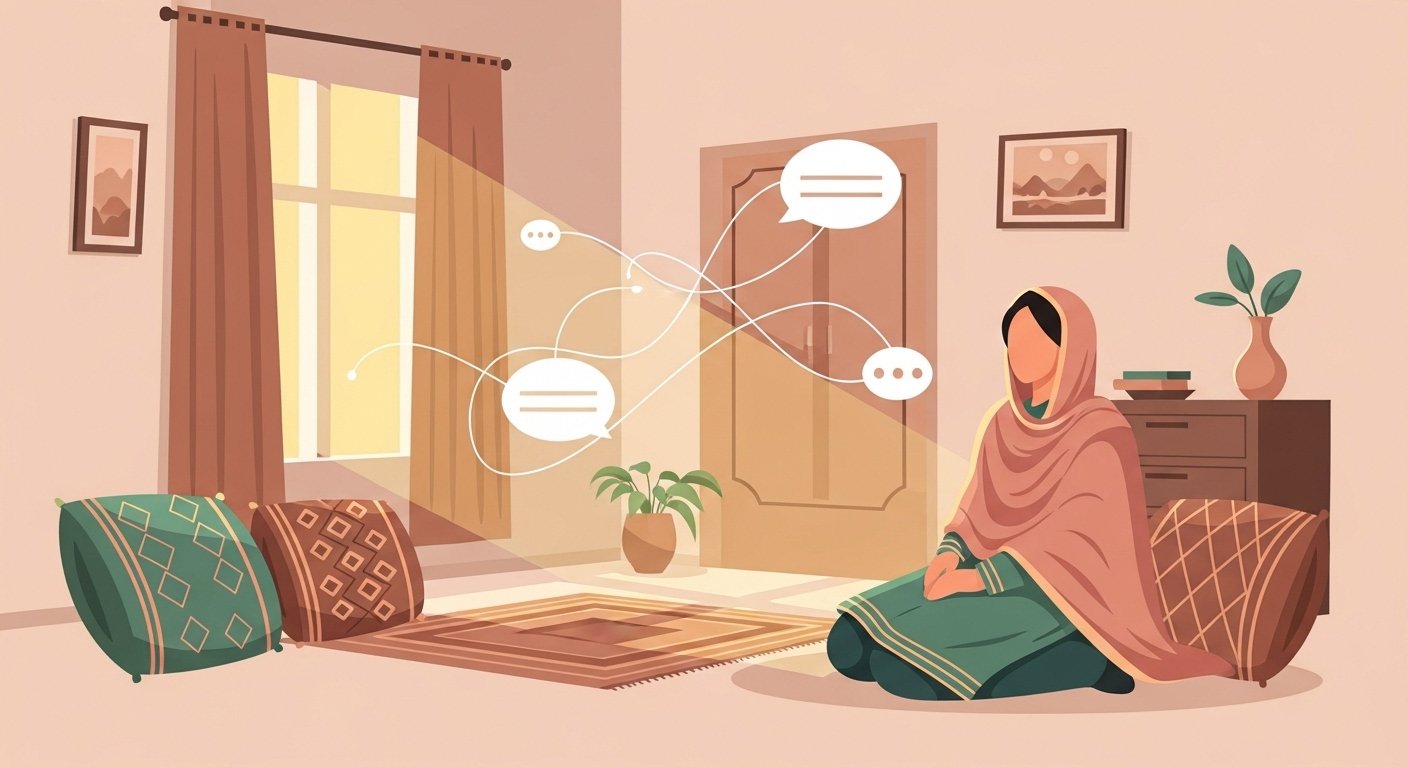
For many women, dignity is shaped first within the home. The way women are spoken to, listened to, and responded to has a lasting impact on their emotional well-being and sense of self-worth. Respectful language, consideration for feelings, and recognition of individuality help women feel valued and secure. These everyday expressions of respect build trust, emotional safety, and stronger family bonds. Awareness in this area encourages reflection on how small actions and words can either quietly harm or meaningfully support women’s dignity.
Women’s well-being includes both physical safety and emotional reassurance. Feeling supported, protected, and understood contributes significantly to peace of mind and overall health. Supportive environments are created through attentiveness, kindness, and a shared sense of responsibility toward women’s concerns and experiences. When women feel able to speak without fear of dismissal or judgment, families and communities become calmer and more resilient.
Education supports confidence, awareness, and personal development. For girls and women, learning opens doors to understanding, informed decision-making, and long-term stability. Encouraging education for girls and women benefits families and communities by strengthening communication, resilience, and future generations. Education is not only about academic achievement, but also about confidence, awareness, and the ability to navigate life with dignity.

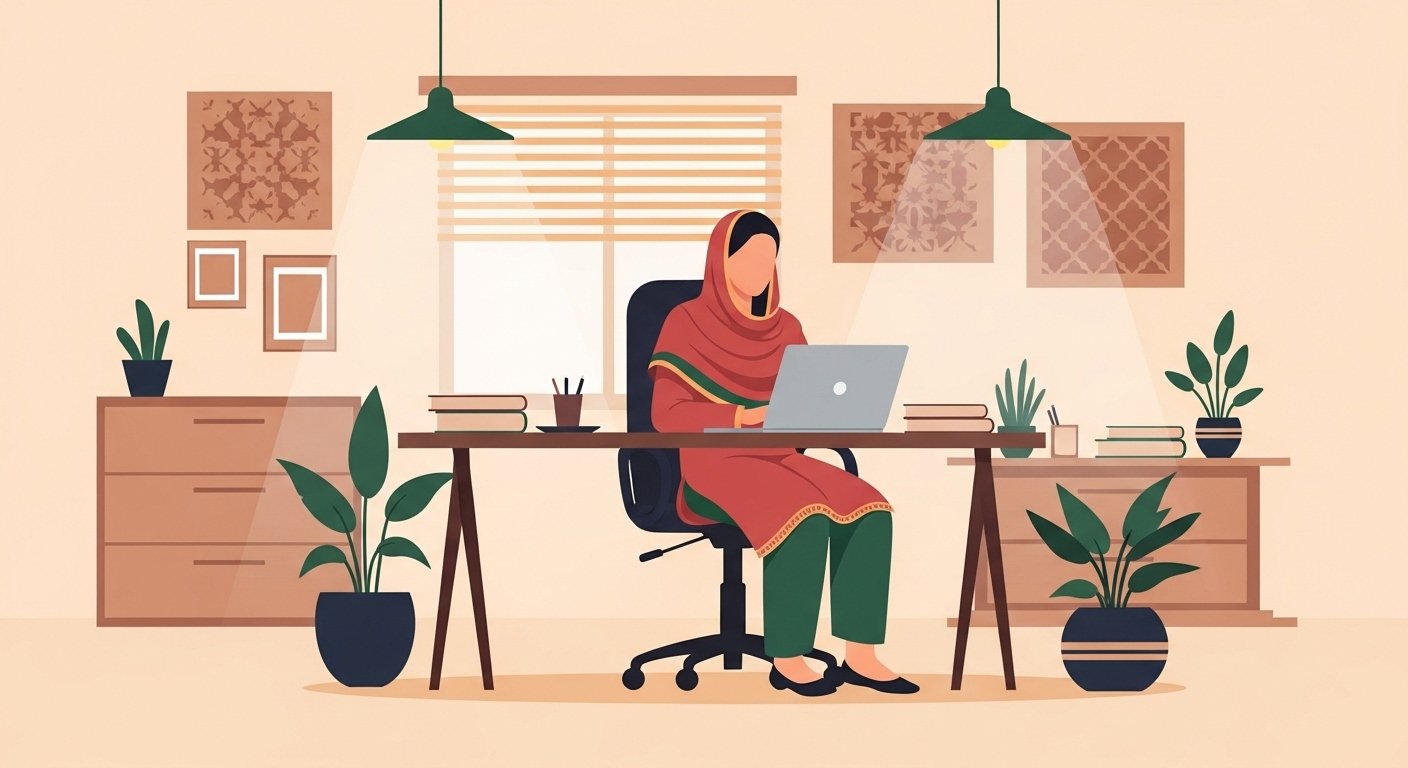
Women contribute in many ways — within households, workplaces, and communities. Much of this effort is essential yet often unrecognised. Acknowledging women’s contributions, whether paid or unpaid, fosters appreciation, balance, and mutual respect. Recognition of effort strengthens relationships and reinforces dignity.
Strong families are built on cooperation, understanding, and shared responsibility. For women, healthy partnerships grow through kindness, communication, and fairness. Awareness in this area encourages reflection on how shared decision-making and mutual respect support stability and harmony within marriage and family life. This perspective values partnership over hierarchy and cooperation over control.
Digital spaces are now part of everyday life and interaction. For women, online behaviour, privacy, and communication can directly affect dignity and safety. Responsible digital engagement helps protect women’s well-being in both private and public spaces.
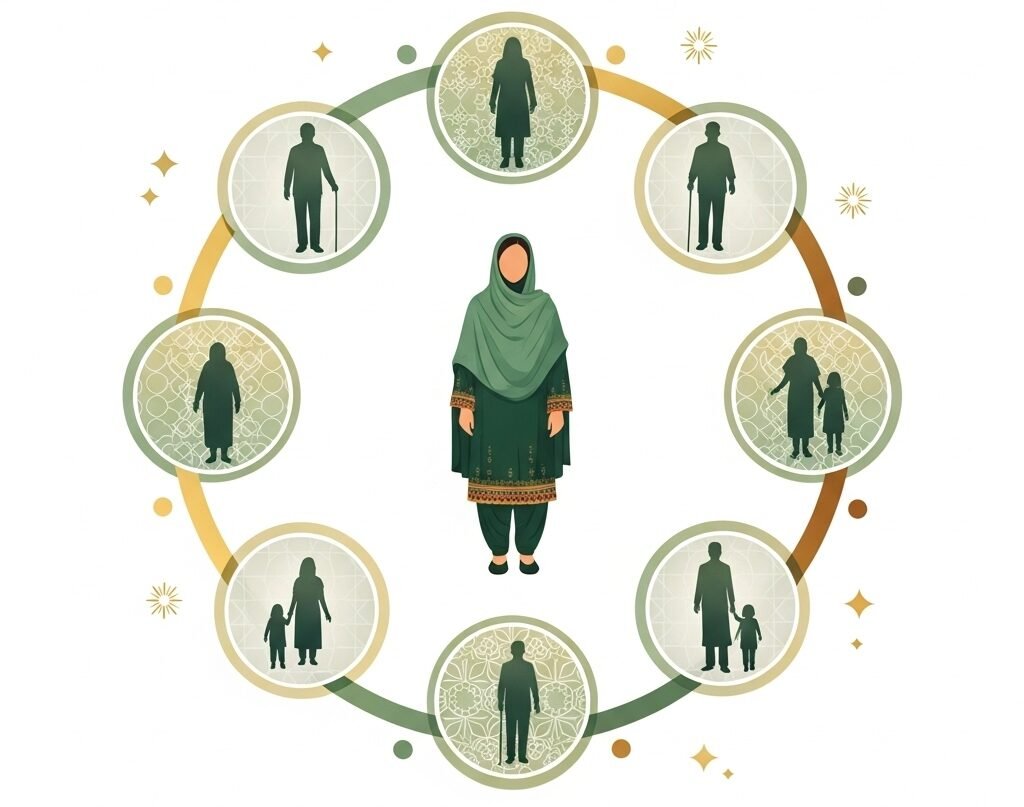
Men and families play an important role in supporting women’s dignity and well-being — as fathers, husbands, brothers, sons, and caregivers. Support is often expressed through everyday actions such as listening with patience, offering encouragement, showing trust, and responding with understanding. These behaviours help women feel secure, valued, and confident.
Awareness is most effective when it is shared calmly and thoughtfully. It grows through reflection, open conversation, and a willingness to understand women’s experiences. When awareness is approached with care, it strengthens dignity, respect, and empathy within families and communities. In this way, awareness becomes a shared responsibility contributing to healthier relationships, stronger families, and more balanced communities over time.