
Harassment affects a woman’s sense of safety, dignity, and peace of mind. It does not always appear in obvious or extreme forms. Often, it shows up quietly — through repeated behaviour, words, pressure, expectations, or actions that make a woman feel uncomfortable, unsafe, or disrespected.
This page is part of a women-centred awareness initiative focused on the lived experiences of women in Pakistan. Its purpose is to build understanding, encourage reflection, and promote healthier interactions grounded in respect and care. It is not intended to accuse individuals, families, or communities, but to highlight realities that many women face in everyday life.
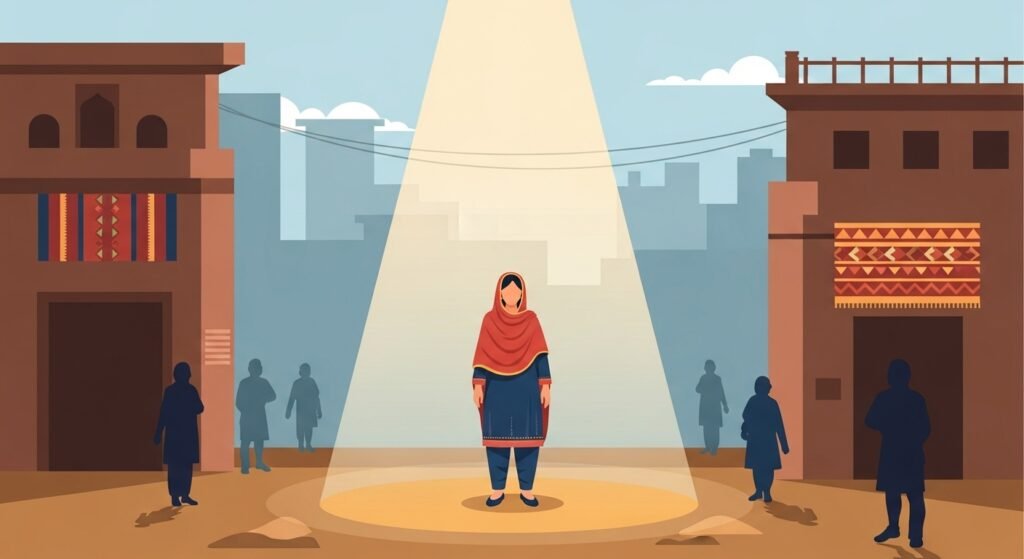
Awareness is an essential step toward protecting women’s dignity and wellbeing. When behaviour that causes discomfort or harm is misunderstood, ignored, or quietly normalised, it can continue without being questioned.
In the context of everyday life in Pakistan, awareness helps people recognise situations where women’s comfort, safety, and personal boundaries may be overlooked — often unintentionally. Calm awareness allows conversations to take place without fear, blame, or defensiveness, and supports responsibility rooted in empathy rather than confrontation.

Experiences that undermine women’s dignity are not limited to one environment or situation. They may occur in familiar, ordinary settings and can take physical, verbal, emotional, psychological, or digital forms.
Many women feel pressure to tolerate discomfort in order to avoid conflict, judgment, or social consequences. Understanding this reality helps reinforce the importance of respect, consent, and personal boundaries in daily interactions — both within private spaces and in public life.
Situations affecting women’s sense of dignity and safety may occur in various areas of daily life, including:
The purpose of naming these settings is to support awareness and reflection, not to generalise or assign blame. Women’s experiences differ widely, and thoughtful understanding helps promote safer and more respectful environments.
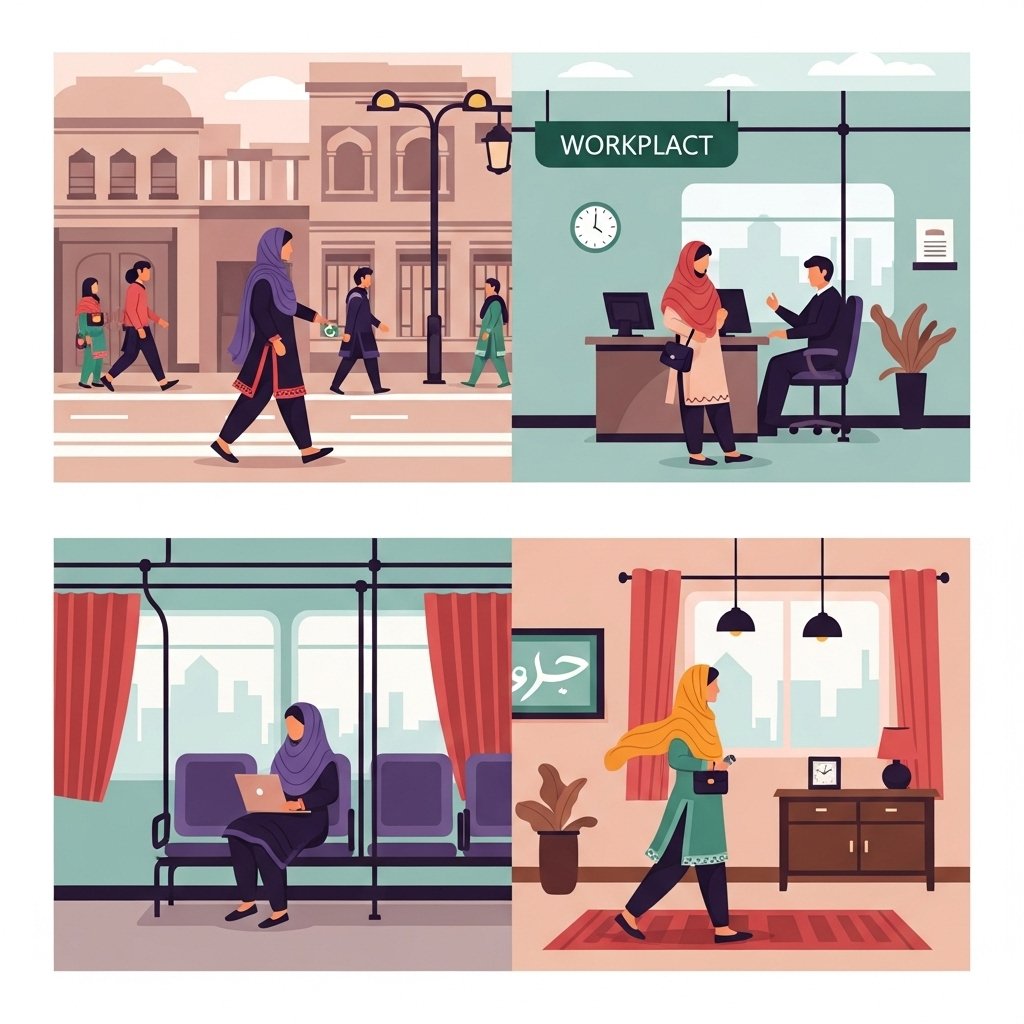
Creating respectful and safe environments for women is a shared responsibility. Families, communities, institutions, and individuals all play a role in shaping attitudes, behaviour, and expectations. Shared responsibility means encouraging respectful conduct, addressing concerns thoughtfully, and supporting women’s dignity without minimising or dismissing their experiences. When responsibility is shared, environments become more balanced, supportive, and resilient.
Experiences related to harassment can have emotional and psychological effects on women. Compassion, patience, and understanding are essential responses. Support begins with listening without judgment, respecting privacy, and responding with care rather than doubt. Awareness does not require confrontation or exposure. It begins with empathy, trust, and a willingness to understand women’s lived realities.
Long-term change grows through education, reflection, and example. A culture of respect is strengthened when women’s dignity, comfort, and voices are understood, valued, and protected — quietly, consistently, and with care. When women feel safe and respected, families grow stronger, communities become healthier, and trust develops naturally over time.
Awareness does not demand agreement or uniform views. It invites reflection, responsibility, and understanding. By choosing calm dialogue over blame and awareness over silence, we can help nurture environments where women’s dignity and respect are recognised as shared values — lived thoughtfully, consistently, and with care